
オアスペ | 神のベンの書
第3章
Chapter III
ひと目でわかる超要約「神のベンの書 第3章」の要点
この章の要約・解説神のベンの書 第3章(全39段落)――人は言った。見よ、私は生涯ずっと懸命にもがき、多くの苦難と損失に遭ってきた。私の息子がよりよくやっていけるよう備えること、これが善良さである。 エスは言った。すべての人は青い果実にたとえられ、熟す途中にある。 ジェホヴィは行動である。その方の行動は、あなたが見るものの中に現れている。その方は光であり命である。
節ごとの構成と要点(全4節)
- 人は言った(図版を含む)第1〜7節
人は言った。見よ、私は生涯ずっと懸命にもがき、多くの苦難と損失に遭ってきた。私の息子がよりよくやっていけるよう備えること、これが善良さである。 人は言った。それなら私は彼に罪を犯さないことを教えよう。嘘をつかないこと、盗まないこと、体を清く保つことを。 神は言った。ただ一人だけが真理である。ジェホヴ…
- 人は言った第8〜17節
人は言った。宇宙の法則を理解すること、これは大きな知恵である。 人は言った。それでは、二つの法則がある。一つはりんごを昇らせて木の上に育たせるもの、もう一つはそれを再び落とすものである。 エスは言った。すべての人は青い果実にたとえられ、熟す途中にある。
- 人の地上の生は木以上の何であろうか(図版を含む)第18〜25節
人の地上の生は木以上の何であろうか。それはしばらくのあいだ冬と夏を持ち、それから終わりが来る。 図版39――有機のワーク。 地のアトモスフェレアの中にある。流星の起源。 人は言った。私は自然の法則のことを言っているのだ。ある条件の下でのある組み合わせは同じ結果を与える。
- 図版30:ジャイの中の地球第31〜38段
図版30:ジャイの中の地球 アトモスフェレアの中で、有機のものとなって地に落ちる。 ジェホヴィは行動である。その方の行動は、あなたが見るものの中に現れている。その方は光であり命である。
用語・象徴の読み方
- ダン(Dan)とダンハ(Dan’ha)
- 地球が約3,000年ごとに通過するエセレアの光の帯域(周期)と、その極点にあたる霊的覚醒の時代。
- ジェホヴィ(Jehovih)
- 万物の内に遍在する唯一の大霊・創造主(「我在り」)。オアスペでは天界の高位天使である「神(God)」や「主(Lord)」と明確に区別される。
- コーポル(Corpor / 物質界)
- 長さと幅と厚みを持ち感覚で知覚できる物体の世界。地上の肉体を持つ人間は「コーポレアン」と呼ばれる。
- アトモスフェレア(Atmospherea / 下部天界・ハダ)
- 地球を取り巻き地球と共に回転する霊的な大気圏(下部天界)。地上を去った死者の霊が最初に住まう領域。
Chapter III
第3章
1. MAN said: Behold, I have struggled hard all my days, and met many crosses and losses. To provide my son that he shall fare better, this is goodness.
1. 人は言った。見よ、私は生涯ずっと懸命にもがき、多くの苦難と損失に遭ってきた。私の息子がよりよくやっていけるよう備えること、これが善良さである。
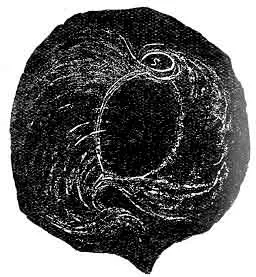
Plate 28.--FOURTH AGE OF VORTEX. Now called Inqua, a ball within a ball, or womb of vapour. (S, S, satellites.)
図版28――渦の第四の時代。 今はインクア、すなわち球の中の球、あるいは蒸気の胎と呼ばれる。(S、S は衛星。)
p. 547
547頁
2. Uz said: Vain man! Thou understandest not the creations. Thy trials, thy losses and crosses, have built up thy soul. To provide thy son that he shall have no trials, nor losses nor crosses, will not be good for him. This will not be goodness. Give him experience.
2. ウズは言った。むなしい人よ! あなたは創造物を理解していない。あなたの試練、あなたの損失と苦難が、あなたの魂を築き上げたのである。あなたの息子が試練も損失も苦難も持たないよう備えることは、彼のためにならないであろう。これは善良さではないであろう。彼に経験を与えよ。
3. Man said: Then I will teach him to sin not. To tell no lies; to steal not; to preserve his body pure. This is goodness.
3. 人は言った。それなら私は彼に罪を犯さないことを教えよう。嘘をつかないこと、盗まないこと、体を清く保つことを。これが善良さである。
4. Uz said: What canst thou do, that is not a sin? What canst thou teach, that is not falsehood?
4. ウズは言った。あなたに、罪でないことの何ができるのか。あなたに、偽りでないことの何が教えられるのか。
5. Thou paintest a picture, and sayest: Behold, this is my farm! In this thou utterest falsehood. Thou givest a book to thy son, saying: Here is a good book! This is also false. Can paper be good? Thou sayest: Here is a book of wisdom! This is also false. Wisdom dwelleth not in paper.
5. あなたは絵を描いて言う。見よ、これが私の農場だ! と。この中であなたは偽りを口にしている。あなたは息子に書物を与えて言う。ここによい書物がある! と。これもまた偽りである。紙がよいものでありえようか。あなたは言う。ここに知恵の書物がある! と。これもまた偽りである。知恵は紙の中に住まない。
6. How, then, canst thou teach thy son to tell no lies, since no man can speak without lying?
6. それでは、誰も嘘をつかずに語ることができないのに、どうしてあなたは息子に嘘をつかないことを教えることができようか。
7. God said: One only is Truth, Jehovih. All else are false. One only is without sin, Jehovih. All else do sin every day.
7. 神は言った。ただ一人だけが真理である。ジェホヴィである。ほかのすべては偽りである。ただ一人だけが罪なき者である。ジェホヴィである。ほかのすべては毎日罪を犯す。
8. Man said: To understand the laws of the universe, this is great wisdom.
8. 人は言った。宇宙の法則を理解すること、これは大きな知恵である。
9. Es inquired: What is a law of the universe?
9. エスは尋ねた。宇宙の法則とは何か。
10. Man said: That an apple will fall to the ground.
10. 人は言った。りんごが地面に落ちることである。
11. Uz said: By my hand the apple rotteth; the earth to the earth; but moisture flieth upward.
11. ウズは言った。私の手によってりんごは腐る。地は地へ。しかし湿り気は上へ飛ぶ。
12. Jehovih said: By My touch the substance riseth up out of the earth and becometh an apple. Sayest thou, law is My opposite?
12. ジェホヴィは言った。我が触れることによって、物質は地から昇ってりんごとなる。あなたは、法則が我の反対であると言うのか。
13. Man said: Why, then, there are two laws: one to make the apple rise up and grow on a tree, and one to make it fall down again.
13. 人は言った。それでは、二つの法則がある。一つはりんごを昇らせて木の上に育たせるもの、もう一つはそれを再び落とすものである。
14. Is this the creation? One law to pull one way, and another law in another way?
14. これが創造なのか。一つの法則が一方へ引き、別の法則が別の方へ引くというのが。
15. Can one law make one rose red, and another law make another rose white? One law make one man good, and another law make another man bad?
15. 一つの法則があるばらを赤くし、別の法則が別のばらを白くすることができるのか。一つの法則がある人をよくし、別の法則が別の人を悪くすることができるのか。
16. Jehovih said: I make no laws. Behold, I labor with Mine own hands. I am everywhere present.
16. ジェホヴィは言った。我は法則を作らない。見よ、我は我自身の手で働く。我はいたるところに臨在する。
17. Es said: All men may be likened unto green fruit, and on the way toward ripeness.
17. エスは言った。すべての人は青い果実にたとえられ、熟す途中にある。
18. What more is man's earth life than a tree? It hath its winters and summers for a season, and then the end cometh.
18. 人の地上の生は木以上の何であろうか。それはしばらくのあいだ冬と夏を持ち、それから終わりが来る。
19. Jehovih said: Behold, I created light and darkness, and one followeth the other.
19. ジェホヴィは言った。見よ、我は光と闇を創った。そして一方が他方に続く。
20. I give dan to the earth for a season, and then I rain down ji'ay for a season. Even so created I the soul of man; to-day, light and joyous; to-morrow in gloom and melancholy.
20. 我は地にしばらくのあいだダンを与え、それからしばらくのあいだジアイを降らせる。同じように、我は人の魂を創った。今日は明るく喜ばしく、明日は陰気で憂鬱に。
21. Man inquired: How can I know if a thing be of God or if it be of nature? What is Jehovih more than natural law?
21. 人は尋ねた。あることが神から出たものか自然から出たものかを、どうやって知ることができるのか。ジェホヴィは自然の法則以上の何なのか。
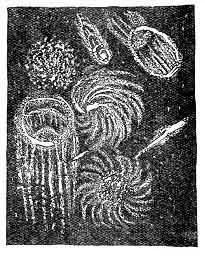
Plate 39.--ORGANIC WARK, Within the Earth's atmosphere. The origin of meteors.
図版39――有機のワーク。 地のアトモスフェレアの中にある。流星の起源。
22. Corpor answered: What is nature, O man? Why wilt thou use a name for the members of my body?
22. コーポルは答えた。自然とは何か、おお、人よ。なぜあなたは私の体の部分に名を用いようとするのか。
23. Behold, the trees are mine; the mountains and valleys; the waters and every living thing, and everything that liveth not; they are me.
23. 見よ、木々は私のものである。山々と谷々、水とすべての生き物、そして生きていないすべてのものも。それらは私である。
24. Why sayest thou nature? Now I say unto thee, the soul of all things is Jehovih; that which thou callest nature is but the corporeal part.
24. なぜあなたは自然と言うのか。今私はあなたに言う。すべてのものの魂はジェホヴィである。あなたが自然と呼ぶものは物体の部分にすぎない。
25. Man said: I mean the laws of nature. Certain combinations under p. 548 certain conditions give the same result. This is law.
25. 人は言った。私は自然の法則のことを言っているのだ。ある条件の下での(548頁)ある組み合わせは同じ結果を与える。これが法則である。
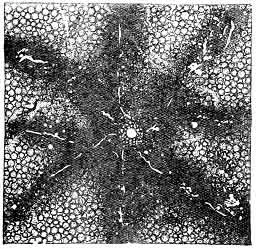
Plate 30.--JY'AY. The earth (white spot) in Jy'ay.
図版30――ジャイ。 ジャイの中の地球(白い点)。
26. God said: What hast thou gained by the word law, instead of the word Jehovih? If that that doeth a thing, doth it of its own accord, then it is alive, and wise withal. Therefore it is Jehovih.
26. 神は言った。ジェホヴィという言葉の代わりに法則という言葉を用いることで、あなたは何を得たのか。もしあることを行うものが、それを自分の意志で行うのなら、そのときそれは生きていて、そのうえ賢い。それゆえそれはジェホヴィである。
27. If it do it not of itself, then it is not the doer, but the instrument. How, then, can law do anything? Law is dead; and the dead do nothing.
27. もしそれが自分でそれを行わないのなら、そのときそれは行う者ではなく、道具である。それなら、どうして法則が何かを行うことができようか。法則は死んでいる。そして死んだものは何も行わない。
28. Within atmospherea, becometh organic and falleth to the earth.
28. アトモスフェレアの中で、有機のものとなって地に落ちる。
29. Wark in etherea becometh an a'ji'an cloud, and shattered.
29. エセレアのワークはアジの雲となり、砕かれる。
30. Men make laws, as betwixt themselves; these laws are rules governing action, but they are not action itself.
30. 人々は自分たちのあいだのこととして法を作る。これらの法は行動を治める規則であるが、行動そのものではない。
31. Jehovih is action. His actions are manifested in things thou seest. He is Light and Life. All His things are a complete whole, which is His Person.
31. ジェホヴィは行動である。その方の行動は、あなたが見るものの中に現れている。その方は光であり命である。その方のすべてのものは一つの完全な全体であり、それがその方の人格である。
コメント
まだコメントはありません。
コメントを読み込んでいます…