
オアスペ | サファの書
Zerl
Zerl
ひと目でわかる超要約「Zerl」の要点
この章の要約・解説サファの書「Zerl」(全6段落)――チネ語とイズ語とアルゴンキン語の語根の言葉。 図版76 ゼルルの書板。[解釈については、ビエント(ポイト語)とセモイン(キイ語)を見よ。 これら二つの部族の子孫は Izere または Israel と呼ばれた。同じものから、チネ語の語根を持つ次のものが作られた。
節ごとの構成と要点(全1節)
- ゼルル(図版を含む)第1〜6段
チネ語とイズ語とアルゴンキン語の語根の言葉。 図版76 ゼルルの書板。[解釈については、ビエント(ポイト語)とセモイン(キイ語)を見よ。 これら二つの部族の子孫は Izere または Israel と呼ばれた。同じものから、チネ語の語根を持つ次のものが作られた。
用語・象徴の読み方
- サファ(Saphah)とパニック語(Panic)
- 太古のパン大陸の言語(パニック語)に由来する聖なる文字・象徴・秘儀の言葉の体系。
- パン大陸(Pan / ウィアガ)
- かつて太平洋に存在した巨大な大陸。霊的退廃と低級霊の充満を浄化するため、2万4千年前のアフの周期に海中に沈められた(大洪水伝承の原型)。
- チネ(Chine)
- モーセやカピリヤと同時代に中国(ヤフェト)に現れ、戦争を排して一なる大霊ジェホヴィへの信仰を中国全土に確立した立法者。
Zerl
ゼルル
RADICAL WORDS IN CHINE, AND IZ, AND ALGONQUIN.
チネ語とイズ語とアルゴンキン語の語根の言葉。
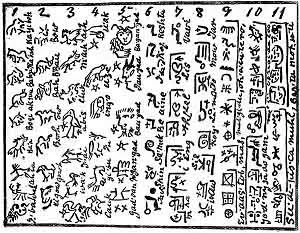
Plate 76.--TABLET OF ZERL. [For interpretation, see Bient (Poit), and Se'moin (Kii). Begin at 1, and read downward; then at 2, etc.]
図版76 ゼルルの書板。[解釈については、ビエント(ポイト語)とセモイン(キイ語)を見よ。1から始めて下へ読み、それから2から、などと読め。]
GIT, Oaw, sun. Washa, priest. Seang, stars. Chin, throne. Gone, silver. Goap, foot. Show, hand. Gwoon, heart. Min'bo, bread. Kin, take. Gwan, food. Lam, woods. Hoo, good. M'hoo, bad. Baw, wise. Di'sa, captain. Wa'shu, high priest. M'wa'shu, woman, high priest. Bewong, church. Chaunt, sing. Se'yu, laugh. Hook, cry. Sa'she, starve. Sai, die. Honji, birth. Sing-sope, twinkling stars. Law, fixed. Sho'ji, ax. Shou or shon or joss, a man-God. Bog'wi, Goddess of lust. Ne'wi, evil Goddess. Es, spirit or spirit-world. Es'fome, spirit-messenger. Gut, carnal. Bah, father. She, stone. A'ho, steam. Gan'es, manhood. Nida, land. An'hi, lord. Oe, love. Gwan, shine. How, light. Gee, ear. Endi, brother. Ja'me, sister. Loi, afterward. Cho, where. Youn, how. Foo, husband. Foo'm, wife. Shu'yi, tyrant. Aji, see. Ma or mi, mother. Jaw, I. Ad'sa, ashes. Jak, ark or chest. Fan, fire. Gan'mi, widow. Ma, thou. E'sho, clothes. Sho'gaup, shoes. Di'ga, flood. Hoe, waters. Ten, empty. Cam'ow, cattle. Yop'lo, come. Oak'm, bad house. H'oak, to build. Fah, hail. Goke, flesh. Gon, daughter. Go'en, p. 613 daughter-in-law. Dhi, large. Dank, great. Shod, belly. Cho'in, garden. Lok'so, rain. Ong'wa, speaking animal. Go'wa, word. M'how, honey. Se'fiee, fish. Bone, door. Chow, grass. Gah, splendor. Ong'hoo, walking man or traveler. Dang, turn. Diyon, mountain. Igwam, gold. Jes, remember. Won, sweet. Wot, seed. Oi'wot, planted seed.
GIT、Oaw、太陽。Washa、祭司。Seang、星々。Chin、玉座。Gone、銀。Goap、足。Show、手。Gwoon、心臓。Min'bo、パン。Kin、取る。Gwan、食物。Lam、森。Hoo、善い。M'hoo、悪い。Baw、賢い。Di'sa、隊長。Wa'shu、大祭司。M'wa'shu、女、大祭司。Bewong、教会。Chaunt、歌う。Se'yu、笑う。Hook、泣く。Sa'she、飢える。Sai、死ぬ。Honji、誕生。Sing-sope、またたく星々。Law、固定された。Sho'ji、斧。Shou または shon または joss、人なる神。Bog'wi、情欲の女神。Ne'wi、悪い女神。Es、霊または霊の世界。Es'fome、霊の使者。Gut、肉的な。Bah、父。She、石。A'ho、蒸気。Gan'es、男らしさ。Nida、土地。An'hi、主。Oe、愛。Gwan、輝く。How、光。Gee、耳。Endi、兄弟。Ja'me、姉妹。Loi、その後。Cho、どこ。Youn、どのように。Foo、夫。Foo'm、妻。Shu'yi、暴君。Aji、見る。Ma または mi、母。Jaw、私。Ad'sa、灰。Jak、箱舟または櫃。Fan、火。Gan'mi、寡婦。Ma、あなた。E'sho、衣服。Sho'gaup、靴。Di'ga、洪水。Hoe、水。Ten、空の。Cam'ow、家畜。Yop'lo、来る。Oak'm、悪い家。H'oak、建てる。Fah、あられ。Goke、肉。Gon、娘。Go'en、(613頁)義理の娘。Dhi、大きい。Dank、偉大な。Shod、腹。Cho'in、庭。Lok'so、雨。Ong'wa、語る動物。Go'wa、言葉。M'how、蜜。Se'fiee、魚。Bone、戸。Chow、草。Gah、壮麗さ。Ong'hoo、歩く人、あるいは旅人。Dang、向きを変える。Diyon、山。Igwam、金。Jes、覚えている。Won、甘い。Wot、種。Oi'wot、植えられた種。
The offspring of these two tribes were called Izere or Israel. Made out of the same are these, with Chine root, to wit: Peu'gwa, fruit. She, book. Say'tzoo, write. Hon'she, read. Mon'ke, forget. Nug'sa'lo, think. Gow'loo, a fool, a walking animal. Din'quan, deranged. Him, sweet. Bo'jin, tent. Gak'mhi, grain or corn. Lon, rotten. Go'ma'git, crescent. Bah'jow'fi'fi, a race-horse. Shon'yong, goat. Bin'yong, sheep. Loke, deer. Ji'jow'gon, ibis. Lo'foo, tiger. Iho'ji, hammer. Bog'wi, evil spirit. Won'eng, spirit. Fooche, trowel. Roak'cha, compass. Gowh, dog. Shike, stone. Ja'moi, sister. Jeang'foo, husband. Hijn, see. Fawh, fire. Han'she, ashes. Di'wa, war. Howh, rest. Sijoh, little. It'zoo'gon, servant. Box'shong, naked. Jaw'jake, pain. Gwat, home. Mi'sa, buried. Shoo, sleep. Ha'unh, sound. She'ugh, burn. See'ung'fan, joy. Chong, river. Go'e, world. Gah'ji, magnificent. The sacred birds of Zerl were written by an outline drawing of each and every one; but the pronunciation (in imitation of its speech) was different in the whole of the thirty-four tribes. The tame quadrupeds had fewer names. In Iz or Ez there were but twenty-two tribes, and, being the most sacred tribes of the west of the continent, their pronunciation varied less. Eolin said: Because Iz hath kept my commandments holy, I have bestowed a new tablet (Kii).
これら二つの部族の子孫は Izere または Israel と呼ばれた。同じものから、チネ語の語根を持つ次のものが作られた。すなわち、Peu'gwa、果実。She、書物。Say'tzoo、書く。Hon'she、読む。Mon'ke、忘れる。Nug'sa'lo、考える。Gow'loo、愚か者、歩く動物。Din'quan、狂った。Him、甘い。Bo'jin、天幕。Gak'mhi、穀物またはとうもろこし。Lon、腐った。Go'ma'git、三日月。Bah'jow'fi'fi、競走馬。Shon'yong、山羊。Bin'yong、羊。Loke、鹿。Ji'jow'gon、トキ。Lo'foo、虎。Iho'ji、金槌。Bog'wi、悪い霊。Won'eng、霊。Fooche、こて。Roak'cha、コンパス。Gowh、犬。Shike、石。Ja'moi、姉妹。Jeang'foo、夫。Hijn、見る。Fawh、火。Han'she、灰。Di'wa、戦争。Howh、休み。Sijoh、小さい。It'zoo'gon、召使い。Box'shong、裸の。Jaw'jake、痛み。Gwat、住まい。Mi'sa、埋められた。Shoo、眠り。Ha'unh、音。She'ugh、燃える。See'ung'fan、喜び。Chong、川。Go'e、世界。Gah'ji、壮麗な。ゼルルの聖なる鳥たちは、一羽一羽すべての輪郭の絵によって書かれた。しかし(その鳴き声をまねた)発音は、三十四の部族の全体において異なっていた。飼いならされた四つ足の動物は、より少ない名を持っていた。イズまたはエズには二十二の部族しかなく、大陸の西の最も聖なる部族であったので、その発音はより少なく変わった。Eolin は言った。イズは我が戒めを聖く守ったので、我は新しい書板を授けた(キイ語)。
コメント
まだコメントはありません。
コメントを読み込んでいます…