
オアスペ | サファの書
ヴェーダの基礎
Basis of Vede
ひと目でわかる超要約「ヴェーダの基礎」の要点
この章の要約・解説サファの書「ヴェーダの基礎」――ヴェーデの基礎 ヴァリエナ、十字の線によって四つの四分に分けられた円。聖なる名スラエタオナのために作られた。 ハヴァニ、魂を第二の天へ運ぶ方。移行の最も聖なる主。(イハ) カム、空気、見えない大気。あるいはカム・クァクトラ、高い空気、エセレア、地の大気の向こう。
節ごとの構成と要点(全5節)
- 章題・導入の要旨冒頭詞書
ヴェーデの基礎
- ヴァリエナ、十字の線によって四つの四分に分けられた円第1〜18節
ヴァリエナ、十字の線によって四つの四分に分けられた円。聖なる名スラエタオナのために作られた。 ドゥルクスとダエヴァ・ドゥルクス、罪深い人々。 アイリヤナ、守護者。(書板セモインを見よ。)書板ビエネでは、彼は人の顔をした獅子の形に作られている。
- 馬という語は、下の天々における領土を表す第19〜35節
馬という語は、下の天々における領土を表す。 創造者、すべてに輝く方、すべてに威厳ある方、すべての中で最も大いなる、最も善い、最も美しい方であるアフラ・マズダへの呼びかけの後、次の神々が… これら最も聖なる主たちの下にあって地上で働く使者たちは、カヴァンヒ・ヴィクヤと呼ばれた。
- ウシダレナ、その上で最も聖なる主たちが三百年以上のあいだ…第36〜52節
ウシダレナ、その上で最も聖なる主たちが三百年以上のあいだ霊の会議を開いた山! この会議ではザントゥマが議長であった。 月の神々は四人であり、ふつう七年に一度交代させられた。 アシャ、弁論。効果的に朗唱する力。
- フラヴァシ、フェイスィストの秩序の清い霊たち(図版を含む)第53〜65節
フラヴァシ、フェイスィストの秩序の清い霊たち。すなわち、偶像にも神々にも救い主たちにも縛られず、創造者アフラ・マズダへの信仰を持つ霊たち。 パロダルス、天使、鳥、絵、あるいは鏡をのぞき込む者が自分を見るように。彼が映って見るものがパロダルスである。 カム、空気、見えない大気。あるいはカム・クァクトラ…
用語・象徴の読み方
- サファ(Saphah)とパニック語(Panic)
- 太古のパン大陸の言語(パニック語)に由来する聖なる文字・象徴・秘儀の言葉の体系。
- パン大陸(Pan / ウィアガ)
- かつて太平洋に存在した巨大な大陸。霊的退廃と低級霊の充満を浄化するため、2万4千年前のアフの周期に海中に沈められた(大洪水伝承の原型)。
- ザラトゥストラ(Zarathustra / ゾア・ラアステル)
- 約8,900年前(フラガパッティの周期)のペルシアに生まれたイ・エ・ス(無性・霊媒的聖者)。人類史最古の大立法者としてオーマズド(大霊)の律法を説いた。
- ルーアモング(Looeamong / 偽キリスト)
- 下部天界の偽りの神の一人。霊感によってキリスト教と呼ばれる大きな宗派を起こし、のちに名を変えて自らをクリステ(キリスト)と偽って称した。
Basis of Vede
ヴェーデの基礎
1. VARIENA, a circle divided by cross-lines into four quarters; made for Thraetaono, a holy name, which had power over the Dahaka, serpent, i.e., evil.
1. ヴァリエナ、十字の線によって四つの四分に分けられた円。聖なる名スラエタオナのために作られた。それはダハカ、蛇、すなわち悪に対する力を持っていた。
2. Nisai, faith, belief; a created place in the unseen heavens, which nurtureth man's soul, created by Ahura'Mazda, the good Creator.
2. ニサイ、信仰、信。見えない天々にある、人の魂を養う、創造された場所。善い創造者アフラ・マズダによって創造された。
3. Kanthiuzhada, unbelief; a place in the unseen heavens which nurtureth unbelief in mortals, created by Anra'mainyus, the evil creator.
3. カンシウザダ、不信。死すべき者たちのうちに不信を養う、見えない天々の場所。悪い創造者アンラ・マイニュスによって創造された。
4. Yatu, to sin against Ahura'Mazda, or against one's own being.
4. ヤトゥ、アフラ・マズダに対して、あるいは自分自身の存在に対して罪を犯すこと。
5. Hapta Hendu, India; land of seven rivers.
5. ハプタ・ヘンドゥ、インド。七つの川の地。
6. Yima, a Savior; self-assumed Lord of the earth. A spirit with many provinces in atmospherea. He sent emissaries (spirits) to the temples and oracles of India, for over a thousand years, and thus compelled mortals to worship him. He said he was the Son of Ahura'Mazda, doing His will. He claimed to have been born of Mi, Mother of the Creator, and he was the only begotten Son; that he lived on earth and worked miracles, even cleaving the earth asunder and enlarging it. Through him and his spirit emmissaries, mortals were inspired to construct the written doctrines of the Vedas as they now are, for his final overthrow in atmospherea, where he had four hundred million slaves.
6. イーマ、救い主。自分で名乗った地の主。アトモスフェレアに多くの地方を持つ霊。彼は千年以上のあいだ、インドの神殿と神託に使者(霊たち)を送り、このようにして死すべき者たちに自分を崇めるよう強いた。彼は、自分はアフラ・マズダの息子で、その方の意志を行っていると言った。彼は、創造者の母ミから生まれ、ただ一人の生まれた息子であると主張した。地上に生きて奇跡を行い、地を引き裂いて広げることさえしたと。彼と彼の霊の使者たちを通して、死すべき者たちは、今あるとおりのヴェーダの書かれた教えを組み立てるよう霊感づけられた。それは、四億の奴隷を持っていたアトモスフェレアにおける彼の最終的な打倒のためであった。
7. Daevas, all evil, and evil men in general. But a real and wholly acting Daeva is a sodomite.
7. ダエヴァ、すべての悪、また一般に悪い人々。しかし本物の、まったく行動するダエヴァはソドム人である。
8. Druks Nagus, literally, rotting; also that decomposition of flesh which becometh food for insects and vermin.
8. ドゥルクス・ナグス、文字どおりには腐ること。また虫や害虫の食物となる肉の分解。
9. Crossha or Craosha, an angel sent by the Creator, speaking for Him.
9. クロッシャまたはクラオシャ、創造者によって送られ、その方のために語る天使。
10. Druks and Daeva druks, sinful men.
10. ドゥルクスとダエヴァ・ドゥルクス、罪深い人々。
11. Tistrya, an angel from the still heavens who ruled the flocks of mortals. He was said to reside on Sirius; and that star was afterward named after him; and mortals afterward worshiped the star, forgetting the legend of their forefathers.
11. ティストリヤ、死すべき者たちの群れを治めた、静かな天々からの天使。彼はシリウスに住むと言われた。そしてその星は後に彼にちなんで名づけられた。そして死すべき者たちは後にその星を崇め、父祖たちの言い伝えを忘れた。
12. Ctara, or Gaura, who, in like manner, dwelt on a star, and was forgotten in the lapse of ages, and the star worshiped in his stead.
12. クタラまたはガウラ、同じように星に住み、時代の経過のうちに忘れられ、その代わりに星が崇められた者。
13. Zami, another angel who became a star in like manner.
13. ザミ、同じように星となった別の天使。
14. Urvar, also a star thus named.
14. ウルヴァル、これも同じように名づけられた星。
15. Gogpend, ditto. These different Gods were originally assigned certain labor on earth. One had charge of all growing things in the water; another of the purity of vegetable seeds; another of grain seeds; another of breeding of horses and cows; another of mortal marriages; another of young children, newborn. Yima, who was chief God over all the other Gods, thus assigned them places; and each and all these Gods of second degree had hosts of ministering spirits under them, and these were distributed and appointed over mortals as guardian angels, and, by inspiration and by other impressions, caused mortals to thus worship their masters, the Gods who claimed to reside on the stars. Thus did Yima teach mortals that through him, and his kingdoms only, could man prosper on earth, and rise in heaven after death. In course of time, however, the inhabitants of earth forgot the angels, and worshiped the stars instead.
15. ゴグペンド、同上。これらのさまざまな神々には、もともと地上でのある種の労働が割り当てられていた。一人は水の中のすべての育つものを受け持った。別の一人は植物の種の清さを、別の一人は穀物の種を、別の一人は馬と牛の繁殖を、別の一人は死すべき者たちの結婚を、別の一人は新たに生まれた幼い子どもたちを受け持った。ほかのすべての神々の上の長の神であったイーマが、このように彼らに場所を割り当てた。そしてこれら第二の位の神々の一人一人とすべては、配下に仕える霊たちの群れを持ち、これらは守護天使として死すべき者たちの上に配置され任じられ、霊感とほかの印象によって、死すべき者たちに、星々に住むと主張する神々である自分たちの主人をこのように崇めさせた。このようにしてイーマは死すべき者たちに、ただ自分と自分の王国を通してだけ、人は地上で栄え、死後に天で上ることができると教えた。しかし時が経つうちに、地の住民たちは天使たちを忘れ、代わりに星々を崇めた。
16. Jahi, taurus, the bull. The God of force. In the Ebraic language this same God is called Jah. In course of time mortals forgot the origin of this God, and ignorantly supposed the name to be an abbreviation of Jehovih. In the Cuneiform inscriptions his name is called Bagho. The Panic origin is Taughad. (See Tablet Biene Point, the figure of a bull, with man's face.) The spiritual meaning, force, or force of character, or energy to do, or decree with authority. As the pope issueth a Bull, of which the foregoing was the original.
16. ジャヒ、牡牛座、雄牛。力の神。エブラの言語では、この同じ神はジャーと呼ばれる。時が経つうちに、死すべき者たちはこの神の起源を忘れ、無知のうちにその名がジェホヴィの略であると思い込んだ。楔形文字の碑文では、彼の名はバゴと呼ばれる。パン語の起源はタウガドである。(書板ビエネ・ポイトの、人の顔をした雄牛の像を見よ。)霊的な意味は、力、あるいは性格の力、あるいは行う活力、あるいは権威をもって布告すること。教皇が教書(Bull)を出すように。前に述べたものがその元であった。
17. Caoka, or gha-oka. Good, genial and amorous. (See Tablet Biene Poit, the figure of a ram.) He is also called Hoebah and goa-bah.
17. カオカ、またはガオカ。善い、温和な、恋の。(書板ビエネ・ポイトの、雄羊の像を見よ。)彼はまたホエバ、ゴアバとも呼ばれる。
18. Airyana, a protector. (See Tablet Se'moin.). In Tablet Biene he is made in the form of a lion, with man's face.
18. アイリヤナ、守護者。(書板セモインを見よ。)書板ビエネでは、彼は人の顔をした獅子の形に作られている。
19. The term, horses, signifieth dominions in the lower heavens.
19. 馬という語は、下の天々における領土を表す。
p. 645
645頁
20. The term, cow, usually meaneth adaptability to the creative period. In the original Panic, cow meant receptivity, as in English a term of dollars signifieth the extent of a man's possessions, although he may have only lands and houses. So horses in the Yi-ha had no reference to the animal horse, nor had cow any reference to the animal cow. But in the lapse of ages, these figures received an earthly interpretation.
20. 牛という語は、ふつう創造の時期への適応性を意味する。元のパン語では、牛は受け入れる力を意味した。英語で、人が土地と家しか持っていなくても、ドルの額がその人の所有の大きさを表すように。そのように、イハにおける馬は動物の馬に何の関わりもなく、牛も動物の牛に何の関わりもなかった。しかし時代の経過のうちに、これらの像は地上の解釈を受けた。
21. Hukairya, a kingdom in etherea.
21. フカイリヤ、エセレアにある王国。
22. The Lords of atmospherea ministering through the temples and oracles to mortals of the Hyan period, and embraced in Mithra inspiration, were as followeth: Maidhyozaremaya, Moidhyosheema, Paitis-hahaya, Ayathrecma, Maidhyairya, Hamacpathmoedaya, the Holy Lordess, the Gatha-Ahunavaiti, Yacna-Haptan-haiti, the Goddess Mother, Gatha-Ustavaiti, her Holy Sister, Goddess Gatha-Cpenta-Mainyu, her Holy Daughter, Goddess Gatha-Vohu-Khsha-thra, the Lord of Measure, Airyama, Fshnsha-manthea, Hadhaokhta, Creator, Ever Present Spirit in all places, Ruler over all else and Dispenser.
22. ヒヤの時期の死すべき者たちに神殿と神託を通して仕え、ミトラの霊感のうちに包まれていたアトモスフェレアの主たちは、次のとおりであった。マイディヨザレマヤ、モイディヨシェーマ、パイティス・ハハヤ、アヤスレクマ、マイディヤイリヤ、ハマクパスモエダヤ、聖なる女主ガサ・アフナヴァイティ、ヤクナ・ハプタン・ハイティ、母なる女神ガサ・ウスタヴァイティ、その聖なる姉妹、女神ガサ・クペンタ・マイニュ、その聖なる娘、女神ガサ・ヴォフ・クシャスラ、量りの主アイリヤマ、フシュンシャ・マンセア、ハダオクタ、創造者、すべての場所における常在の霊、ほかのすべての上の支配者であり、分け与える方。
23. (For the origin of the words refer to the cyclean period of Ahura.)
23. (語の起源については、アフラの周期の時期を参照せよ。)
24. Mazdayacniaus, Faithists in the Great Spirit. Opposite to idolaters. The Haptans did not worship the Lords nor Gods, but revered them as exalted spirits sent from etherea, to minister to mortals, both through the temples and oracles, and in the family spirit circle, even as Christians of this day believe that Christ ministereth. With the Haptans, however, Mithra occupied the position that Christ doth in men's eyes, and the Lords and Lordesses, and Gods and Goddesses, were under Him, alternately with Yima.
24. マズダヤクニアウス、大いなる霊へのフェイスィスト。偶像崇拝者の反対。ハプタンたちは主たちも神々も崇めなかったが、神殿と神託を通しても家族の霊の円においても死すべき者たちに仕えるためにエセレアから送られた高められた霊として、彼らを敬った。まさにこの日のキリスト教徒が、キリストが仕えると信じているように。しかしハプタンたちのもとでは、ミトラが人々の目にキリストが占めている位置を占めており、主たちと女主たち、神々と女神たちは、イーマと交互に、その方の下にいた。
25. The traveling hosts from heaven were as followeth: Havanana, Atarevakhsha, Fraberata, Abert, Agnata, Racthwiskare and Craoshavareza.
25. 天から旅して来る群れは、次のとおりであった。ハヴァナナ、アタレヴァクシャ、フラベラタ、アベルト、アグナタ、ラクスウィスカレ、クラオシャヴァレザ。
26. Haoma, juice, milk, that which is received. As milk nurtureth the corporeal man, so haoma feedeth the spirit, i.e., spirit nutrition.
26. ハオマ、汁、乳、受け取られるもの。乳がコーポルの人を養うように、そのようにハオマは霊を養う。すなわち霊の栄養。
27. After the invocation to Ahura'Mazda, the Creator, the All Brilliant, the All Majestic, the All Greatest, Best and Most Beautiful, then the following Gods are invited, to wit:
27. 創造者、すべてに輝く方、すべてに威厳ある方、すべての中で最も大いなる、最も善い、最も美しい方であるアフラ・マズダへの呼びかけの後、次の神々が招かれる。すなわち、
28. Vohu-mano, who is the voice and engraved word. (In the back period the Scriptures were taught orally, man to man, repeating over and over the same texts, until the whole three thousand Holy and Most Sacred Verses were learned. The position of the Most Holy Lord, Vohu, was to be present in spirit and person or through His representative spirit underlings, and see to it that there were no innovations in the original text, and to assist the learner to remember the words. Vohu, i.e., ga-mo, signifieth voice. Mano, i.e., c'fome, signifieth word in the Yi-ha language.
28. ヴォフ・マノ、声であり刻まれた言葉である者。(さかのぼる時期には、聖典は人から人へ口伝えで教えられ、聖なる最も神聖な三千の詩句全体が学ばれるまで、同じ本文を何度も繰り返した。最も聖なる主ヴォフの位置は、霊と人格において、あるいはその代理の配下の霊たちを通して臨在し、元の本文に改変がないよう見張り、学ぶ者が言葉を覚えるのを助けることであった。ヴォフ、すなわち ga-mo は声を表す。マノ、すなわち c'fome は、イハの言語で言葉を表す。
29. Ashavahista (properly Ashaohavah), the God of self-subduing. To teach and assist man to put aside selfish desires.
29. アシャヴァヒスタ(正しくはアシャオハヴァ)、自己を従わせる神。人が利己的な望みを脇へ置くよう教え、助けること。
30. Ksha-thra-vairya (Ka-sha-thrag-o-mak), the Most Holy Teacher and Bracer-up of Faith.
30. クシャスラ・ヴァイリヤ(カシャスラゴマク)、最も聖なる教師、信仰を引き締める方。
31. Cpenta-armaiti (originally feminine), Goddess and God, Adapter. That which within man maketh him compatible to others. (Yi-ha.)
31. クペンタ・アルマイティ(もとは女性)、女神と神、適合させる方。人の内にあって、彼をほかの者たちと相いれるものにするもの。(イハ)
32. Haurvat, home. He who made spiritual homes in heaven for mortals, and brought the Kingdom of the Father to men's souls. (Yi-ha.)
32. ハウルヴァト、住まい。天に死すべき者たちのための霊の住まいを作り、父の王国を人の魂にもたらした方。(イハ)
33. Amareth, forgiveness. Anh-air-that (Yi-ha). To make one's self child-like and willing to learn. To make one's soul like a sieve, that it will not hold anger.
33. アマレス、赦し。アンハイルサト(イハ)。自分を子どものようにし、喜んで学ぶようにすること。自分の魂をふるいのようにし、怒りを保たないようにすること。
34. Havani, the Bearer of souls to the second heaven. The Most Holy Lord of Transit. (Yi-ha.)
34. ハヴァニ、魂を第二の天へ運ぶ方。移行の最も聖なる主。(イハ)
35. The emissaries under these, the Most Holy Lords, active on earth, were called, Cavanhi-Vicya. Twenty-eight of these helps and Lords appointed ministered in each and all the temples of Baragas (Upper Thibet), and during the religious ceremonies of mortals were often seen participating near the altars.
35. これら最も聖なる主たちの下にあって地上で働く使者たちは、カヴァンヒ・ヴィクヤと呼ばれた。任じられたこれらの助け手と主たちのうち二十八人が、バラガス(上チベット)の神殿の一つ一つすべてで仕え、死すべき者たちの宗教儀式のあいだ、しばしば祭壇の近くで加わっているのが見られた。
36. Ushi-darena, a mountain above which the Most Holy Lords held their spirit Congress for over three hundred years! In this Congress, Zantuma was president. It was through this Spirit Congress that Mithra, the Savior of the Haptans of that day, promulgated the doctrine that Ahura'Mazda was not Creator, but merely the star (Iaza) Jupiter and that he, Mithra, was the Chief and Highest of all personages, either on earth or in heaven. This was the beginning of a war in heaven betwixt Yima and Mithra.
36. ウシダレナ、その上で最も聖なる主たちが三百年以上のあいだ霊の会議を開いた山! この会議ではザントゥマが議長であった。この霊の会議を通して、その日のハプタンたちの救い主ミトラは、アフラ・マズダは創造者ではなく、ただの星(イアザ)木星にすぎず、彼、ミトラが、地上においても天においても、すべての人格の中で長であり最も高い者であるという教えを広めた。これが天におけるイーマとミトラのあいだの戦争の始まりであった。
37. Arbury, the Father's Kingdom, literally around about all worlds. Alburj (Yi'ha), Gaisi mortal (or earthly things), became confounded with heavenly, for the migration of the people on earth confounded the strategems of Mithra, the Savior.
37. アルバリー、父の王国、文字どおりにはすべての世界の周り一帯。アルブルジ(イハ)。ガイシ、死すべきもの(あるいは地のもの)は、天のものと混同されるようになった。地上の人々の移動が、救い主ミトラの策略を混乱させたからである。
38. Gah, the change of the watch of the Gods. A prefix to the names of Gods. Gah, true, a fact (Gau). The times of day and evening and night.
38. ガー、神々の見張りの交代。神々の名の接頭辞。ガー、まことの、事実(ガウ)。昼と夕べと夜の時。
p. 646
646頁
39. Fradat-vira, God of numeration of mortals, interest in progeny.
39. フラダト・ヴィラ、死すべき者たちを数える神、子孫への関心。
40. Nairy-Canha, God of messengers. All spirits coming from Mithra's throne in atmospherea as messengers were under the command of Mairya-canha. Of these there were thirty-three messengers-in-chief, and they held offices for one year, when they were replaced by new appointments. When the time of changing watch came, they gave to mortals ten days for feast, five days in honor of the ex-messengers, and five days in honor of the new messengers. It was customary to have thirty vases or dishes in the temples, adapted to as many varieties of food, and each and all of these were also named after the name of the spirit messengers.
40. ナイリ・カンハ、使者の神。アトモスフェレアにあるミトラの玉座から使者として来るすべての霊は、マイリヤ・カンハの指揮のもとにあった。これらのうち三十三人の使者の長がいて、彼らは一年のあいだ職に就き、その後新たな任命によって交代させられた。見張りの交代の時が来ると、彼らは死すべき者たちに十日の祭りを与えた。前の使者たちを敬って五日、新しい使者たちを敬って五日である。神殿には同じだけの種類の食物に合わせた三十の壺または皿を置くのが習わしであり、そのそれぞれとすべてもまた、霊の使者たちの名にちなんで名づけられた。
41. Zaothra, holy water, also God of sprinkling. When the worshipers were assembled they were frequently sprinkled with water by the spirits.
41. ザオスラ、聖なる水。また振りかけの神。礼拝者たちが集まったとき、彼らはしばしば霊たちによって水を振りかけられた。
42. Zaota, a priest, through whom the Gods can cause rain to fall.
42. ザオタ、祭司。神々はその者を通して雨を降らせることができる。
43. Barecme, literally, spirit light. Some were baptised by water, and some by fire.
43. バレクメ、文字どおりには霊の光。ある者たちは水によって、ある者たちは火によって洗礼を受けた。
44. Moon Gods, four in number, were usually changed once in seven years. But when Mithra proclaimed himself God and Savior of (the Indian) heaven, he allotted the moon Gods a hundred years each. But the chief of these remained in office for four hundred years. This was:
44. 月の神々は四人であり、ふつう七年に一度交代させられた。しかしミトラが自分を(インドの)天の神であり救い主であると宣言したとき、彼は月の神々にそれぞれ百年を割り当てた。しかしそれらの長は四百年のあいだ職にとどまった。それは次の者であった。
45. Arstat, chief moon God of that period, and a friend to the God Craosha. Mortals, however, continued to keep holy one day in seven, in honor of the moon's changes, which were accredited to the change of watch of the Gods. In the original worship mortals were taught to wish hither, with love and praise, the four reigning Gods. But they were so full of devotion that on the seventh day they remembered many of the ex-Gods also, sometimes a hundred or more, all of whom they wished hither with love and praise. Many of those Gods (spirits), taking advantage of the devotion of mortals, established themselves in petty kingdoms in atmospherea belonging to Vind'yu, and thus aggrandized themselves, making slaves of spirits newborn into heaven.
45. アルスタト、その時期の月の神々の長であり、神クラオシャの友。しかし死すべき者たちは、神々の見張りの交代によるものとされた月の変化を敬って、七日に一日を聖く守り続けた。元の礼拝では、死すべき者たちは、治めている四人の神々を、愛と賛美をもってここへ来るよう願うことを教えられた。しかし彼らはあまりにも献身に満ちていたので、七日目には前の神々の多くも、ときには百人かそれ以上も覚えていて、そのすべてを愛と賛美をもってここへ来るよう願った。それらの神々(霊たち)の多くは、死すべき者たちの献身につけ込んで、ヴィンデュに属するアトモスフェレアに小さな王国を打ち立て、このようにして自分を大きくし、天へ新たに生まれた霊たちを奴隷にした。
46. Beside the week-day festivals, the Gods of Mithra, through the priests and magicians, established monthly festivals, on which occasion the Gods were honored with new prayers, and all these Lords and Gods of the lower heavens, were awarded by Mithra with petty kingdoms in atmospherea belonging to Vind'yu. Usually, each mortal city was allotted to the keeping of one of these spirit Lords or Gods, and the guardian spirits of mortals within that city were subjects to such chief Lord or God. The places of meeting of these spirits were in temples of worship. And all of the foregoing Lords, Saviors and Gods professed to give the revelations of Zarathustra, who had ceased in men's eyes to be a man, but a principle of Truth descended from Ahura'Mazda, Creator.
46. 週の日の祭りのほかに、ミトラの神々は祭司と魔術師を通して月ごとの祭りを打ち立てた。その折には神々は新しい祈りで敬われ、これら下の天々のすべての主たちと神々は、ミトラによって、ヴィンデュに属するアトモスフェレアの小さな王国を与えられた。ふつう、死すべき者の都市一つ一つが、これらの霊の主または神の一人の保管に割り当てられ、その都市の内の死すべき者たちの守護の霊たちは、そのような長の主または神の臣下であった。これらの霊たちの集まる場所は礼拝の神殿であった。そして前に述べたすべての主たち、救い主たち、神々は、ザラトゥストラの啓示を与えると公言した。ザラトゥストラは人々の目にはもはや人ではなくなり、創造者アフラ・マズダから下った真理の原理となっていた。
47. Myazda or Dracona,, feast of sacrament. Rice or other meal made into cakes and ate in remembrance of the VOW TO PURIFY MYSELF.
47. ミャズダまたはドラコナ、聖餐の祭り。米やほかの粉を菓子にして、「私は自分を清める」という誓いを思い起こして食べた。
48. Haoma, in the latter sacrament of the Vede, was saluted as heaven's perfect type of corporeal beauty and cleanliness.
48. ハオマは、ヴェーデの後の聖餐において、コーポルの美しさと清潔さの天の完全な型として挨拶を受けた。
49. Yima, a self-made God in after times, who announced himself, Son of Vivanho.
49. イーマ、後の時代の自分で作った神。彼は自分をヴィヴァンホの息子と宣言した。
50. Cruvara, serpent with four legs. This was the lizard species, and in the time of Yi-ha they were sufficiently large to eat twelve full-grown men at a meal. They were of a dark green color, and fifty paces in length.
50. クルヴァラ、四本の脚を持つ蛇。これはトカゲの種であり、イハの時には、一度の食事で十分に成長した人を十二人食べるほど大きかった。それらは濃い緑色で、長さ五十歩であった。
51. Gaccus, a giant who contrived traps to destroy the great serpents, the Cruvaras.
51. ガックス、大きな蛇クルヴァラを滅ぼすための罠を考案した巨人。
52. Asha, oratory. Power of reciting with effect.
52. アシャ、弁論。効果的に朗唱する力。
53. Fravashi, pure spirits of the Faithist order, i.e., spirits who are not bound to idols, Gods, nor Saviors, but having faith in Ahura'Mazda, the Creator.
53. フラヴァシ、フェイスィストの秩序の清い霊たち。すなわち、偶像にも神々にも救い主たちにも縛られず、創造者アフラ・マズダへの信仰を持つ霊たち。
54. The opposers in heaven to the Fravashi were: The Daeva, Pairika, Cathra, Kaoza and the Karapana.
54. 天でフラヴァシに反対する者たちは、ダエヴァ、パイリカ、カスラ、カオザ、カラパナであった。
55. Verethragha, a God in heaven who labored for the Fravashi and against their opposers.
55. ヴェレスラガ、フラヴァシのために、またその反対者たちに対して労働した天の神。
56. The following plateaux in the lower heavens belong to Vind'yu are often described as mountains, and in later days earth-mountains have had corresponding names given to them. That is to say: Mount Tshidarena, Haraiti, Zereaho, Ushidhao, Ushidarena, Erezifya, Fraorepa, Arezura, Bumza, Eezisho, Arana, Bazana, Vapa, Iskata, Kancotofedhra, Hamankuna, Vagna, Fravanku, Vidwana, Aezaka, Maenaka, Vakhedhrakae, Acaya, Tudhockoe, Ishvkoe,Asnavao, Draoshisvao, Cairivao, Nanhusmao, Kakahyu, Anterekanha, Cichindavaoo, Ahuna, Racmana, Asha-ctimbana, Urunyvovaidhae, Ushaoma, Usta-garenas, Cyamaka, Vafrayo, Voouusha, Jatara, Adhutavao, Cpitavarenao, Cpentodata, Kadrva-acpa, Kaoirica, Taera, Barocrayana, Barana, Frapavao, Udrya and Kaevao. p. 647 To each and every one of the foregoing plateaux in atmospherea was assigned a God or a Lord, and these had direct superintendence over the affairs of mortals vertically under them. (Vede.)
56. ヴィンデュに属する下の天々の次の台地は、しばしば山として描かれ、後の日々には地の山々にそれに相当する名が与えられた。すなわち、トシダレナ山、ハライティ、ゼレアホ、ウシダオ、ウシダレナ、エレジフヤ、フラオレパ、アレズラ、ブムザ、エエジショ、アラナ、バザナ、ヴァパ、イスカタ、カンコトフェドラ、ハマンクナ、ヴァグナ、フラヴァンク、ヴィドワナ、アエザカ、マエナカ、ヴァケドラカエ、アカヤ、トゥドホコエ、イシュヴコエ、アスナヴァオ、ドラオシスヴァオ、カイリヴァオ、ナンフスマオ、カカヒュ、アンテレカンハ、キキンダヴァオオ、アフナ、ラクマナ、アシャ・クティンバナ、ウルニュヴォヴァイダエ、ウシャオマ、ウスタ・ガレナス、キャマカ、ヴァフラヨ、ヴォオウシャ、ジャタラ、アドゥタヴァオ、クピタヴァレナオ、クペントダタ、カドルヴァ・アクパ、カオイリカ、タエラ、バロクラヤナ、バラナ、フラパヴァオ、ウドリヤ、カエヴァオ。(647頁)アトモスフェレアにある前に述べた台地の一つ一つすべてに、神か主が割り当てられ、これらはその真下にいる死すべき者たちの事柄を直接に監督した。(ヴェーデ)
57. Kanculoo, a running (es) sea in atmospherea, dividing the foregoing plateaux.
57. カンクルー、前に述べた台地を分ける、アトモスフェレアにある流れる(エスの)海。
58. Caoshyanc, God of the (es) sea, Kanculoo, supposed by people in darkness to be the God whose coming would be the Second coming, or manifestation of Ahura'Mazda on earth. It was believed that with his second coming all sin on earth would be put down, and all things revealed. Caoshyanc, a Savior; to sin not. (Anar.)
58. カオシヤンク、(エスの)海カンクルーの神。暗さのうちにある人々によって、その到来が再臨、すなわち地上へのアフラ・マズダの現れとなるであろう神と思われていた。彼の再臨と共に地上のすべての罪は抑えられ、すべてのことが明かされると信じられていた。カオシヤンク、救い主。罪を犯さないこと。(アナル)
59. Franrava, God of the Turanians, the opposers of Faithists. He who inspired the Turanians to war and to deeds of cruelty.
59. フランラヴァ、フェイスィストに反対する者であるトゥラン人の神。トゥラン人を戦争と残酷な行いへと霊感づけた者。
60. Parodars, an angel, a bird, a picture, or as one looking in a mirror sees himself. That which he sees reflected is parodars. Thus, when a pure man dieth, his soul for three days remaineth near the head of his corporeal body, reciting prayers and anthems, but on the fourth day he waketh to his condition and riseth and goeth forth. The first living creature he seeth is parodars (a female); a flying person of great beauty. He saluteth her, inquiring who she is. She answereth him, saying: I am thine own soul and good thoughts. I am the law thou hast builded up on the corporeal earth. Behold me, I am thyself, and now thou seest thine own self. I am most beautiful, because thy earth-thoughts were beautiful. I am pure because thy earth-thoughts were pure. Put away thyself and come thou and inhabit myself. I am the part that can ascend to nirvana, the second heaven; thou art the part that dwelleth as a druj, a bound spirit. On the fifth day the pure man putteth away self and inhabiteth the parodars, and so ascendeth and becometh a Lord in heaven. (Foivitat.)
60. パロダルス、天使、鳥、絵、あるいは鏡をのぞき込む者が自分を見るように。彼が映って見るものがパロダルスである。このように、清い人が死ぬとき、彼の魂は三日のあいだコーポルの体の頭の近くにとどまり、祈りと聖歌を朗唱する。しかし四日目に彼は自分の状態に目覚め、起きて出て行く。彼が見る最初の生き物はパロダルス(女)であり、大いなる美しさを持つ飛ぶ人格である。彼は彼女に挨拶し、彼女が誰であるかを尋ねる。彼女は彼に答えて言う。私はあなた自身の魂であり、善い思いである。私はあなたがコーポルの地上で築き上げた法である。私を見よ、私はあなた自身である。そして今あなたは自分自身を見ている。私は最も美しい。あなたの地上の思いが美しかったからである。私は清い。あなたの地上の思いが清かったからである。あなた自身を捨てて、来て私の内に住め。私はニルヴァーナ、第二の天へと上ることのできる部分である。あなたはドルジャ、縛られた霊として住む部分である、と。五日目に清い人は自己を捨ててパロダルスの内に住み、そのようにして上り、天の主となる。(フォイヴィタト)
61. Foivitat saith: If an evil man die, his soul remaineth at his feet three days. On the fourth it goeth abroad; but because of its clouds, it beholdeth not parodars, the smothered bird, but it goeth into places that stink the nose, to the places that deafen the ears, to the places that blind the eyes, and, like a druj, can not speak truth, can not find love, can not learn. The soul of such a man becometh the inhabitant of foul houses and of battle-fields where madness liveth on madness, and evil spirits can not depart.
61. フォイヴィタトは言う。もし悪い人が死ぬなら、彼の魂は三日のあいだ彼の足もとにとどまる。四日目にそれは外へ出て行く。しかしその雲のために、それはパロダルス、息を詰まらされた鳥を見ず、鼻を刺す悪臭のする場所へ、耳を聾する場所へ、目を盲にする場所へと行き、ドルジャのように、真実を語ることができず、愛を見いだすことができず、学ぶことができない。そのような人の魂は、汚れた家と、狂気が狂気の上に生き、悪い霊たちが去ることのできない戦場の住民となる。
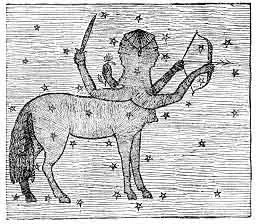
Plate 92.--ISIS.
図版92 イシス。
62. Kava-viscacpa, a councilor and friend of Zarathustra, a high, Holy Lord and Giver of Truth.
62. カヴァ・ヴィスカクパ、ザラトゥストラの相談役であり友、高く聖なる主であり、真理を与える方。
63. Hura, a one-time man.
63. フラ、かつて人であった者。
64. Hura the entity, HAPPINESS. In all the Avanischor system, which descended to the Haptans and afterward to the Hijans, and finally to the Vedes of the Upper Thibet, happiness is called an entity; so is unhappiness; so is faith; so is unbelief; and they are likened to seeds planted, which grow by nurture, according to the behavior of mortals, into great trees. If, therefore, a man strive for Hura (happiness), it will grow in him, and not until he so striveth. And likewise of the other entities.
64. 存在としてのフラ、幸福。ハプタンたちに伝わり、後にヒジャン人に、そして最後に上チベットのヴェーデたちに伝わったアヴァニスコルの体系のすべてにおいて、幸福は一つの存在と呼ばれる。不幸もそうである。信仰もそうである。不信もそうである。そしてそれらは植えられた種にたとえられ、死すべき者たちの振る舞いに応じて、養いによって大きな木へと育つ。それゆえ、もし人がフラ(幸福)を求めて努めるなら、それは彼の内に育つであろう。そして彼がそのように努めるまではそうならない。ほかの存在についても同様である。
65. Kam, the air, the unseen atmosphere, or Kam-qactra, the high air, etherea, beyond the earth's atmosphere; that part of the firmament beyond the earth and earth's atmosphere which hath laws of its own. Etherea, the higher abode for exalted p. 648 spirits who have risen above corporeal laws. As Anra'mainyus (evil), in atmospherea, looketh downward to the earth to evil, so Cpenta'mainyus (good), of etherea, looketh upward to good.
65. カム、空気、見えない大気。あるいはカム・クァクトラ、高い空気、エセレア、地の大気の向こう。地と地の大気の向こうにある、それ自身の法を持つ大空の部分。エセレア、コーポルの法の上に上った高められた(648頁)霊たちのためのより高い住まい。アトモスフェレアにいるアンラ・マイニュス(悪)が下の地へと、悪へと見下ろすように、そのようにエセレアのクペンタ・マイニュス(善)は上へ、善へと見上げる。
コメント
まだコメントはありません。
コメントを読み込んでいます…