
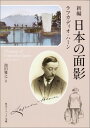
小泉八雲『神国日本』 · ラフカディオ・ハーン 著 · Japan: An Attempt at Interpretation(1904)を英日対訳で
第1章 難しさ
日本について書かれた千冊の本のうち本当に貴重なものは二十冊に満たないとし、日本の生活の表面の下を理解することの難しさを述べる序の章。本書は日本の宗教という一つの方向から日本の理解に寄与するものであり、宗教を知らずには日本の社会も産業も美術も文学も理解できないと説く。
原文・口語訳Japan: An Attempt at Interpretation, Chapter I "Difficulties"(原本1〜4頁、2段落)
ひと目でわかる超要約「第1章 難しさ」の要点
日本について書かれた千冊の本のうち本当に貴重なものは二十冊に満たないとし、日本の生活の表面の下を理解することの難しさを述べる序の章。本書は日本の宗教という一つの方向から日本の理解に寄与するものであり、宗教を知らずには日本の社会も産業も美術も文学も理解できないと説く。
この章の要約・解説「第1章 難しさ」の位置づけと段落構成
第一章「難しさ(Difficulties)」は本書の序にあたる短い章である。第1段は、日本について書かれた千冊の本のうち本当に貴重なものは二十冊に満たないと述べ、その理由を日本の生活の表面の下にあるものを知覚し理解することの途方もない難しさに求める。日本の生活を十分に解き明かす著作は少なくともあと五十年は書かれえず、日本人自身にもまだ自分たちの歴史の科学的な知識はなく、家族と氏族の初期の状態、階級の分化、政治の法と宗教の法の分化、倫理と美学の歴史など多くの事柄がおぼろなままであるとする。第2段は、この試論が日本の宗教というただ一つの方向から寄与するものであると述べ、これまで日本の宗教は主としてその敵によって書かれ、ほかの人々には無視されてきたと指摘する。そして、凧や羽子板の絵から仁王の像までを含む日本の美術も、日本の文学も、宗教の知識なしには理解できないこと、シェイクスピアの劇でさえキリスト教の信仰を知らない者には理解できないことを例に、日本で英語を教えた経験から宗教の知識の必要を説く。
段落ごとの構成と要点
重要語句・基本概念
- 試論(essay)
- ハーンが本書を指して用いた言葉。本章は、この試論が日本の宗教というただ一つの方向から、西洋の日本理解に寄与するものだと述べる。
- 仁王(Ni-O)
- 仏教の寺の門を守る巨大な像。本章は、日本の美術が宗教と結びついている例の一つとして挙げる。
1. 日本についての千冊の本と、表面の下を理解する難しさ
A thousand books have been written about Japan; but among these,--setting aside artistic publications and works of a purely special character,--the really precious volumes will be found to number scarcely a score. This fact is due to the immense difficulty of perceiving and comprehending what underlies the surface of Japanese life. No work fully interpreting that life,--no work picturing Japan within and without, historically and socially, psychologically and ethically,--can be written for at least another fifty years. So vast and intricate the subject that the united labour of a generation of scholars could not exhaust it, and so difficult that the number of scholars willing to devote their time to it must always be small. Even among the Japanese themselves, no scientific knowledge of their own history is yet possible; because the means of obtaining that knowledge have not yet been prepared,--though mountains of material have been collected. The want of any good history upon a modern plan is but one of many discouraging wants. Data for the study of sociology are still inaccessible to the Western investigator. The early state of the family and the clan; the history of the differentiation of classes; the history of the differentiation of political from religious law; the history of restraints, and of their influence upon custom; the history of regulative and cooperative conditions in the development of industry; the history of ethics and aesthetics,--all these and many other matters remain obscure.
日本について千冊の本が書かれてきた。しかしそれらのうち――美術の出版物や純粋に専門的な性格の著作を別にすれば――本当に貴重な書物は、二十冊にもとうてい満たないことがわかるであろう。この事実は、日本の生活の表面の下にあるものを知覚し理解することの途方もない難しさによる。その生活を十分に解き明かす著作――日本を内からも外からも、歴史的にも社会的にも、心理的にも倫理的にも描き出す著作――は、少なくともあと五十年は書かれえない。主題はあまりに広大で入り組んでいるので、一世代の学者たちが力を合わせて労しても汲み尽くすことはできず、またあまりに難しいので、それに自分の時間をささげようとする学者の数はいつも少ないに違いない。日本人自身の間でさえ、自分たちの歴史についての科学的な知識はまだ得られない。その知識を得る手段がまだ整えられていないからである――山のような材料が集められてはいるけれども。近代の方式による良い歴史がないことは、多くの気落ちさせる欠如の一つにすぎない。社会学の研究のための資料は、西洋の研究者にはまだ手の届かないところにある。家族と氏族の初期の状態。階級の分化の歴史。政治の法が宗教の法から分化した歴史。抑制の歴史と、その習わしへの影響の歴史。産業の発達における統制と協同の条件の歴史。倫理と美学の歴史――これらすべてと、ほかの多くの事柄とが、なおおぼろなままである。
2. 日本の宗教を知らずに日本は理解できない
This essay of mine can serve in one direction only as a contribution to the Western knowledge of Japan. But this direction is not one of the least important. Hitherto the subject of Japanese religion has been written of chiefly by the sworn enemies of that religion: by others it has been almost entirely ignored. Yet while it continues to be ignored and misrepresented, no real knowledge of Japan is possible. Any true comprehension of social conditions requires more than a superficial acquaintance with religious conditions. Even the industrial history of a people cannot be understood without some knowledge of those religious traditions and customs which regulate industrial life during the earlier stages of its development .... Or take the subject of art. Art in Japan is so intimately associated with religion that any attempt to study it without extensive knowledge of the beliefs which it reflects, were mere waste of time. By art I do not mean only painting and sculpture, but every kind of decoration, and most kinds of pictorial representation,--the image on a boy's kite or a girl's battledore, not less than the design upon a lacquered casket or enamelled vase,--the figures upon a workman's towel not less than the pattern of the girdle of a princess,--the shape of the paper-dog or the wooden rattle bought for a baby, not less than the forms of those colossal Ni-O who guard the gateways of Buddhist temples .... And surely there can never be any just estimate made of Japanese literature, until a study of that literature shall have been made by some scholar, not only able to understand Japanese beliefs, but able also to sympathize with them to at least the same extent that our great humanists can sympathize with the religion of Euripides, of Pindar, and of Theocritus. Let us ask ourselves how much of English or French or German or Italian literature could be fully understood without the slightest knowledge of the ancient and modern religions of the Occident. I do not refer to distinctly religious creators,--to poets like Milton or Dante,--but only to the fact that even one of Shakespeare's plays must remain incomprehensible to a person knowing nothing either of Christian beliefs or of the beliefs which preceded them. The real mastery of any European tongue is impossible without a knowledge of European religion. The language of even the unlettered is full of religious meaning: the proverbs and household-phrases of the poor, the songs of the street, the speech of the workshop,--all are infused with significations unimaginable by any one ignorant of the faith of the people. Nobody knows this better than a man who has passed many years in trying to teach English in Japan, to pupils whose faith is utterly unlike our own, and whose ethics have been shaped by a totally different social experience.
私のこの試論は、日本についての西洋の知識への寄与として、ただ一つの方向においてしか役立ちえない。しかしこの方向は、決して重要でないものの一つではない。これまで日本の宗教という主題は、主としてその宗教の誓った敵たちによって書かれてきた。ほかの人々には、ほとんどまったく無視されてきた。けれども、それが無視され、誤って伝えられ続けている間は、日本についての本当の知識はありえない。社会の状態を真に理解するには、宗教の状態についての表面的な知識以上のものが必要である。ある民族の産業の歴史でさえ、その発達の初期の段階で産業の生活を律する宗教の伝統と習わしについての何らかの知識がなければ、理解することはできない……。あるいは美術という主題を取り上げてみよう。日本の美術は宗教とあまりに密接に結びついているので、それが映し出している信仰についての広い知識なしにそれを研究しようとするいかなる試みも、ただの時間の無駄であろう。美術と言うとき、私は絵画と彫刻だけを指しているのではない。あらゆる種類の装飾と、たいていの種類の絵による表現――漆塗りの小箱や七宝の花瓶の意匠に劣らず、男の子の凧や女の子の羽子板の絵――王女の帯の模様に劣らず、職人の手拭いの図柄――仏教の寺の門を守るあの巨大な仁王の形に劣らず、赤ん坊のために買う張り子の犬や木のがらがらの形――を指しているのである……。そして確かに、日本の文学についての正しい評価は、日本の信仰を理解することができるばかりでなく、私たちの偉大な人文学者がエウリピデスやピンダロスやテオクリトスの宗教に共感できるのと少なくとも同じ程度までそれに共感することもできる何らかの学者によって、その文学の研究がなされるまでは、決してなされえないであろう。英語やフランス語やドイツ語やイタリア語の文学のどれほどが、西洋の古代と近代の宗教についてのごくわずかな知識もなしに十分に理解されうるかを、自らに問うてみよう。私が言っているのは、はっきりと宗教的な創作者たち――ミルトンやダンテのような詩人たち――のことではなく、ただ、シェイクスピアの劇の一つでさえ、キリスト教の信仰についても、それに先立った信仰についても何も知らない人には理解できないままであるに違いないという事実のことである。ヨーロッパのどの言葉を本当に習得することも、ヨーロッパの宗教についての知識なしには不可能である。無学な者の言葉でさえ宗教的な意味に満ちている。貧しい人々の諺や家庭の言い回し、街の歌、仕事場の話し言葉――すべてが、民衆の信仰を知らない者には想像もつかない意味に浸されている。このことを、私たちのものとはまったく異なる信仰を持ち、まったく別の社会経験によって倫理を形づくられた生徒たちに、日本で英語を教えようと何年も過ごした者ほどよく知っている者はいない。
コメント
まだコメントはありません。
コメントを読み込んでいます…